The BRRRR Strategy Explained: Buy, Rehab, Rent, Refinance, Repeat
Learn how to use the BRRRR strategy to grow your investment portfolio. Covers buying, rehabbing, renting, and refinancing non-owner-occupied properties.
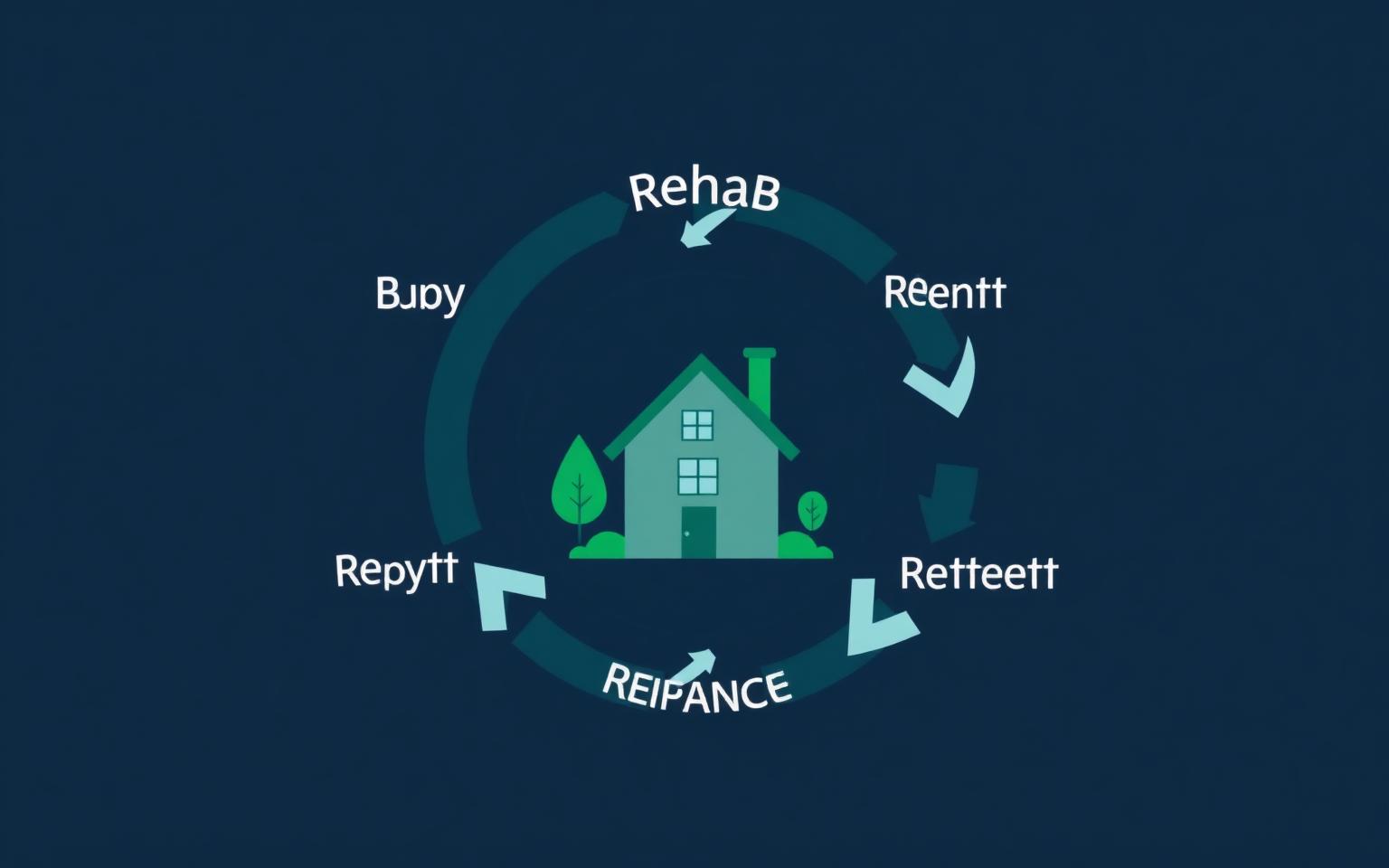
Table of Contents
The BRRRR strategy (Buy, Rehab, Rent, Refinance, Repeat) remains one of the most effective methods for building a real estate portfolio with limited personal capital. By recycling the same pool of investment funds across multiple properties, investors can achieve exponential growth that would otherwise take decades through traditional saving.
This guide is designed for serious US-based real estate investors focusing on non-owner-occupied properties. Whether you are moving from your first flip to your first rental or looking to scale a multi-family portfolio, understanding the financing mechanics of each phase is critical to your success.
You will learn how to sequence private money and DSCR financing, how to calculate your maximum allowable offer to ensure a successful refinance, and how to avoid the common pitfalls that trap equity in a deal.
Phase 1: Buy – Identifying the Right Investment Property
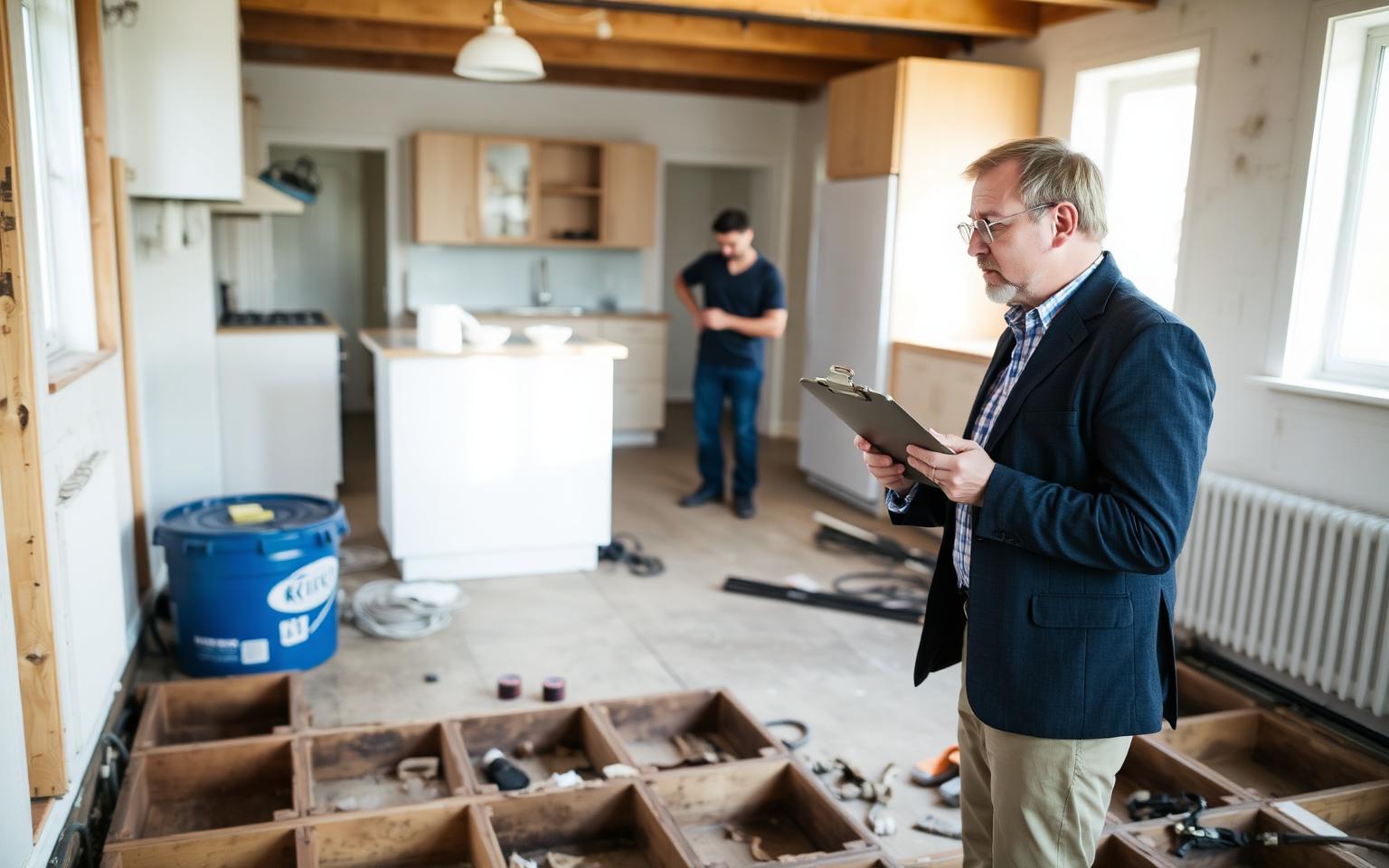
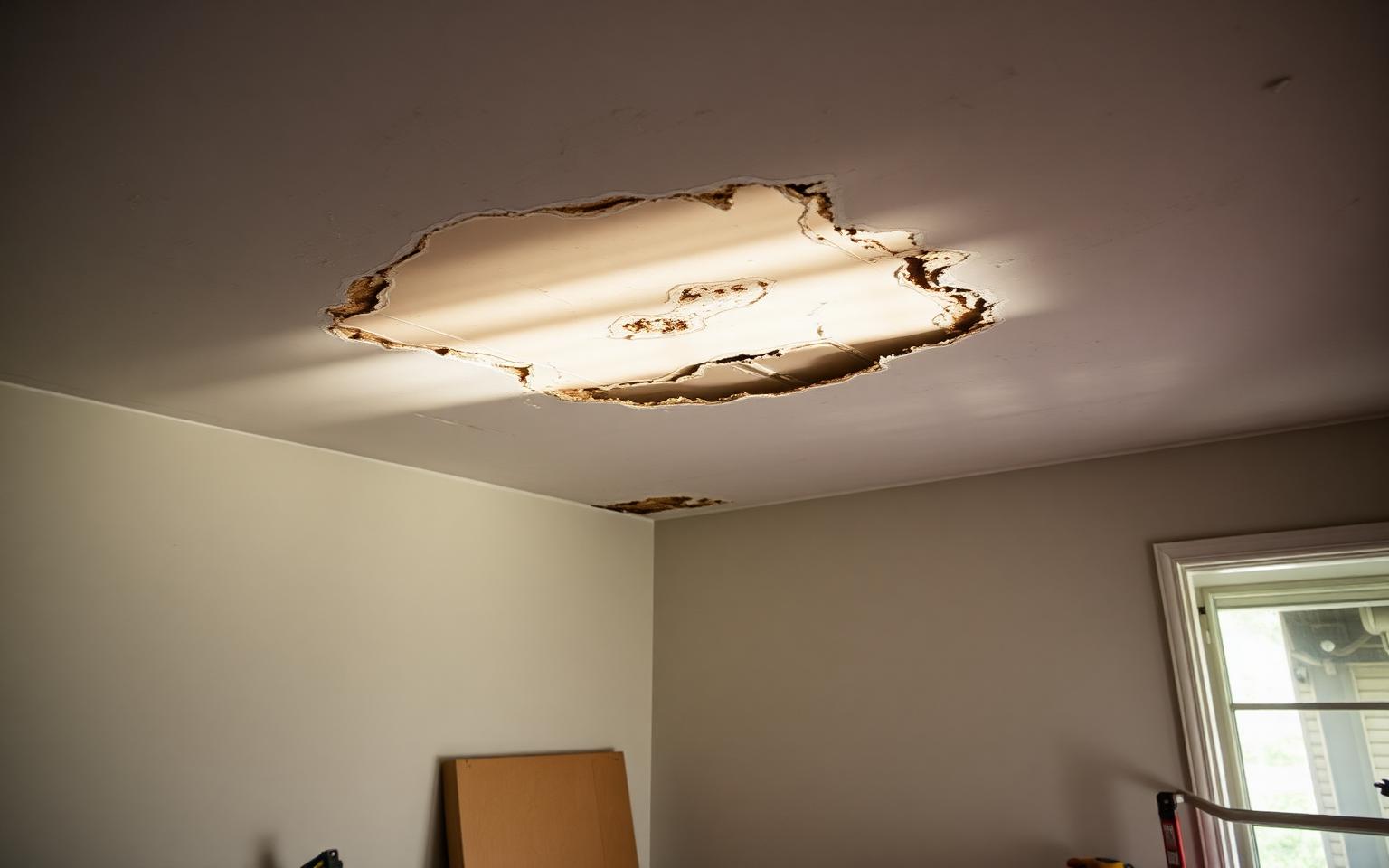
The success of a BRRRR deal is determined at the purchase. Unlike a traditional turnkey rental, a BRRRR property must be purchased at a significant discount, typically because it requires physical renovation. The goal is to find a distressed, non-owner-occupied property where the After Repair Value (ARV) allows you to recover your initial capital during the refinance stage.
Investors should focus on the '70% Rule' or a variation thereof. This means your total investment (purchase price plus rehab costs) should not exceed 70% to 75% of the projected ARV. Financing at this stage usually involves a short-term bridge loan or a fix-and-flip loan, as traditional banks rarely lend on properties in poor condition.
Phase 2: Rehab – Forced Appreciation Through Strategic Repairs
The rehab phase is where you 'force' appreciation. In a BRRRR context, your renovation should focus on two priorities: durability for tenants and value-add for the appraiser. This is not a fix-and-flip where you might install high-end luxury finishes; instead, you want clean, modern, and sturdy materials that will survive multiple lease cycles.
- Kitchen and Bath: Focus on stone countertops and mid-grade cabinetry to boost appraisal value.
- Flooring: Luxury Vinyl Plank (LVP) is the industry standard for its durability and water resistance.
- Systems: Ensure HVAC, roofing, and plumbing are sound to satisfy the long-term lender's requirements.
- Cosmetic: Fresh neutral paint and updated lighting provide the high ROI needed for a 30-year refi.
Phase 3: Rent – Securing the Cash Flow
Before you can transition to long-term financing, most DSCR (Debt Service Coverage Ratio) lenders require the property to be leased. A signed lease agreement at market rent proves to the lender that the property can support its own debt. This is the 'Rent' portion of the cycle.
Screening for high-quality tenants is vital. A non-paying tenant during the refinance process can derail your entire timeline. Lenders will look at the 'lease-up' status to determine if the property is a stabilized asset worthy of a 30-year fixed rate.
Phase 4: Refinance – The Critical Capital Recapture
The refinance is the engine of the BRRRR strategy. Once the property is renovated and rented, you apply for a DSCR loan. This loan type is ideal for investors because it does not require personal income verification or debt-to-income (DTI) calculations; instead, it qualifies based on the property’s rental income.
The objective is a 'cash-out refinance' that pays off the initial bridge loan and returns your original down payment and rehab costs. If your ARV is high enough, you can effectively own the asset with 'zero dollars' left in the deal.
Be aware of 'seasoning' requirements. Some lenders require you to own the property for 6 months before they will lend based on the new appraised value rather than the original purchase price. Working with private lenders who understand the BRRRR model can often reduce these seasoning hurdles.
Phase 5: Repeat – Scaling the Portfolio
Once the cash-out refinance is complete and your initial capital is back in your bank account, you move to the 'Repeat' phase. You use the same $50,000 or $100,000 you started with to purchase the next distressed property.
By repeating this cycle, an investor can acquire five, ten, or twenty properties using the same original seed money. The key is maintaining a relationship with a reliable lender who can fund both the 'Buy/Rehab' bridge loan and the long-term 'Refinance' DSCR loan.
Understanding the Financing Stack: Bridge to DSCR
Short-Term: The Bridge/Fix-and-Flip Loan
For Phases 1 and 2, you need speed and high leverage. A private bridge loan typically covers 80-90% of the purchase price and 100% of the renovation costs. These are interest-only loans designed to be held for 6 to 12 months.
Long-Term: The DSCR Rental Loan
For Phase 4, you switch to a DSCR loan. This replaces the expensive short-term debt with a 30-year fixed rate. Because these are strictly for non-owner-occupied investment properties, the underwriting is fast and focuses on the asset's performance.
Real-World Example
Imagine an investor identifies a distressed single-family home for $150,000.
1. Buy: The investor uses a bridge loan to purchase the property for $150,000, putting 20% down ($30,000). 2. Rehab: They spend $50,000 on renovations (financed through a construction draw or out of pocket). Total all-in cost: $200,000. 3. Rent: The property is appraised at an After Repair Value (ARV) of $275,000 and rented for $2,200/month. 4. Refinance: A DSCR lender provides a loan at 75% of the ARV, which is $206,250.
In this scenario, the $206,250 loan pays back the original $150,000 purchase loan and the $50,000 rehab cost, leaving the investor with their initial $30,000 back plus an additional $6,250 in their pocket. They now own a cash-flowing asset with no personal capital tied up in the deal.
For illustration only — subject to underwriting.
Common Mistakes To Avoid
- 1.Overestimating the ARV: Relying on 'aspirational' comps rather than sold data.
- 2.Underestimating Rehab Costs: Not accounting for a 10-15% contingency budget for hidden issues.
- 3.Miscalculating DSCR: Forgetting to include taxes, insurance, and HOA fees in the debt service ratio.
- 4.Ignoring Seasoning Rules: Assuming you can refinance in 30 days when the lender requires 180.
- 5.Poor Property Management: Allowing the property to sit vacant, which prevents the refinance.
Advanced Tips
- Build a 'Rehab Template': Use the same paint colors, flooring, and fixtures across all properties to save time and money.
- Target 'Ugly' but Sound: Focus on properties with cosmetic issues rather than structural ones to speed up the rehab phase.
- Pre-Qualify for the Refi: Talk to your DSCR lender before you even buy the property to ensure it meets their minimum loan amounts and debt coverage requirements.
- Leverage Portfolio Loans: If you have 5+ finished BRRRRs, consider a single portfolio loan to consolidate debt and simplify management.
How Simple Solution Lending Helps
At Simple Solution Lending, we specialize in the specific financing needs of BRRRR investors. We provide the high-leverage bridge and fix-and-flip loans needed to secure and renovate distressed properties quickly. Our team understands that speed is a competitive advantage in today's market.
Once your project is stabilized, we offer seamless transitions into 30-year DSCR rental loans. We strictly fund non-owner-occupied investment properties, allowing us to offer more flexible terms and faster closings than traditional banks. If you are ready to scale your portfolio, click 'Apply Now' to get pre-qualified for your next BRRRR deal.
Conclusion
The BRRRR strategy is a powerful path to financial independence, provided you have a disciplined approach to numbers and a reliable financing partner. By focusing on non-owner-occupied assets that offer significant value-add opportunities, you can recycle capital and grow your equity exponentially.
Success in BRRRR requires viewing each property not just as a rental, but as a financial transaction where the exit—the refinance—is as important as the entrance. Build your team, master your local market, and use private capital to fuel your growth.
Frequently Asked Questions
Disclaimer. Loan programs, rates, terms, leverage, and approvals are subject to underwriting, borrower qualification, property type, state availability, and program guidelines. This is not a commitment to lend.