How to Estimate Rehab Costs Accurately
Master rehab cost estimation for investment properties. Expert guide on kitchens, roofing, and mechanicals for non-owner-occupied fix and flip projects.
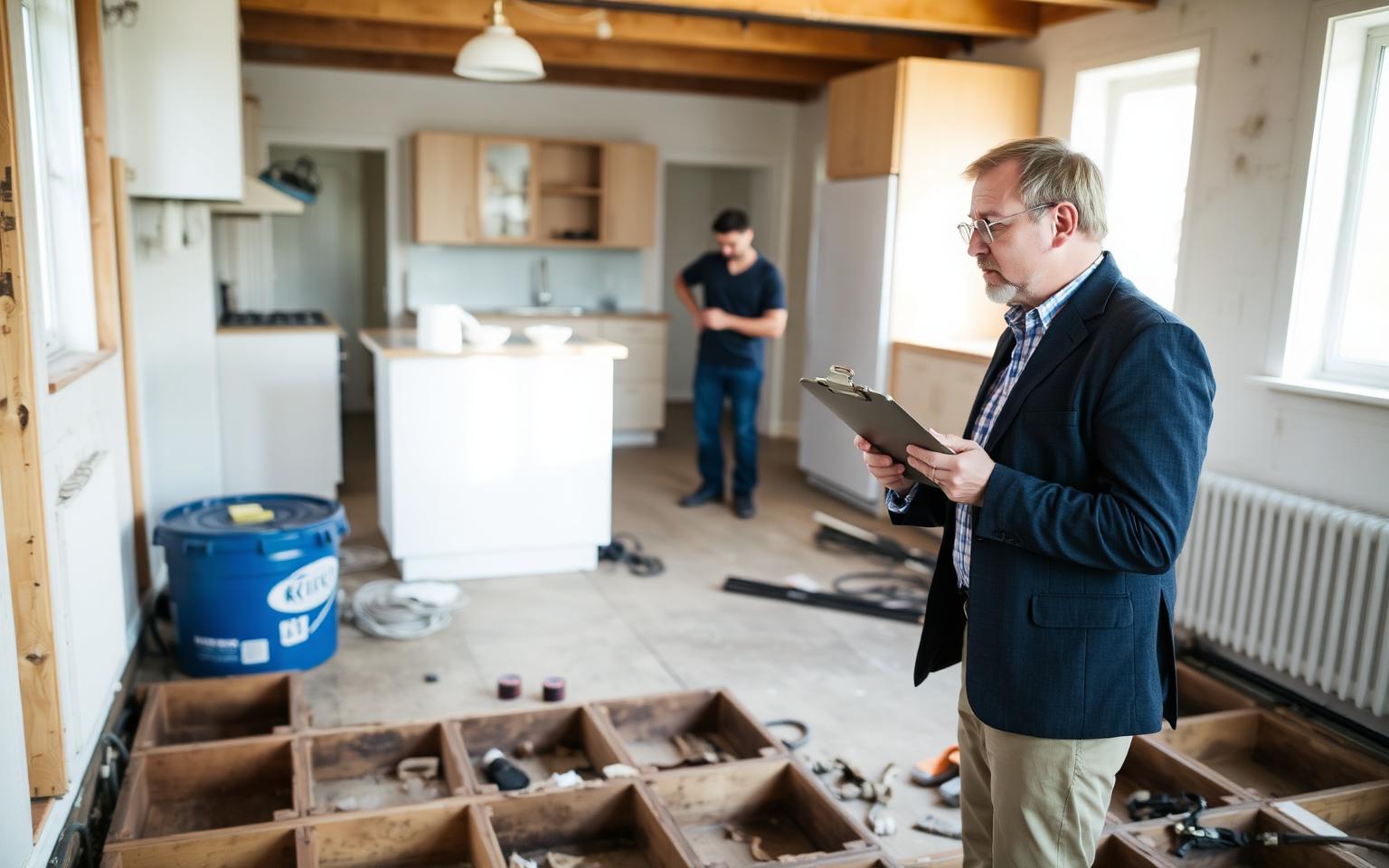
Table of Contents
Accurate rehab estimation is the difference between a profitable exit and a financial disaster. For the real estate investor focusing on non-owner-occupied properties, the ability to walk through a house and project costs within a 10% margin of error is a foundational skill. Whether you are executing a fix-and-flip or preparing a DSCR rental, overestimating costs can lead to lost bids, while underestimating them destroys your equity.
This guide provides a systematic framework for assessing any investment property. We will break down the primary drivers of renovation expenses—from structural integrity and mechanical systems to the cosmetic finishes that drive local market value. You will learn how to build a budget that satisfies both your internal ROI requirements and the underwriting standards of bridge and private lenders.
By the end of this article, you will have a comprehensive checklist for property walkthroughs, a set of benchmark numbers for different renovation scales, and a strategy for managing the inevitable contingencies that arise during a project.
The Foundation of Cost Estimation: The Walkthrough
Before touching a calculator, you must conduct a thorough physical inspection. Experienced investors categorize costs into two categories: 'Hard Costs' (labor and materials) and 'Soft Costs' (permits, architectural plans, and engineering). For non-owner-occupied investments, speed is just as critical as accuracy. Every week the property sits vacant is a week of holding costs—interest, taxes, and insurance—eroding your profit.
Start from the outside-in. Issues with the envelope of the building—the roof, siding, and foundation—are non-negotiable repairs that typically offer the lowest return on investment but are required for both appraisal and long-term viability.
Always bring a high-lumen flashlight and a moisture meter to every walkthrough. Surface cosmetic issues often hide deeper structural or plumbing failures that can add five figures to a budget.
Mechanical Systems: Plumbing, Electrical, and HVAC
Mechanical systems are the most expensive 'invisible' costs. If a house is 40 years or older, assume the systems need significant attention unless proven otherwise. Replacing these systems is mandatory for property insurance and most bridge loan exit strategies.
- HVAC: A full furnace and A/C replacement typically ranges from $7,000 to $12,000 depending on tonnage and ductwork needs.
- Electrical Service: Upgrading an outdated fuse box to a 200-amp circuit breaker panel usually costs $2,500 to $4,500. Full rewiring can exceed $15,000.
- Plumbing: Swapping out galvanized pipes for PEX throughout a standard 1,500 sq. ft. home typically runs $5,000 to $8,000. Sewer line repairs are the 'wild card,' often costing $150–$250 per linear foot.
Roofing and Exterior Shell
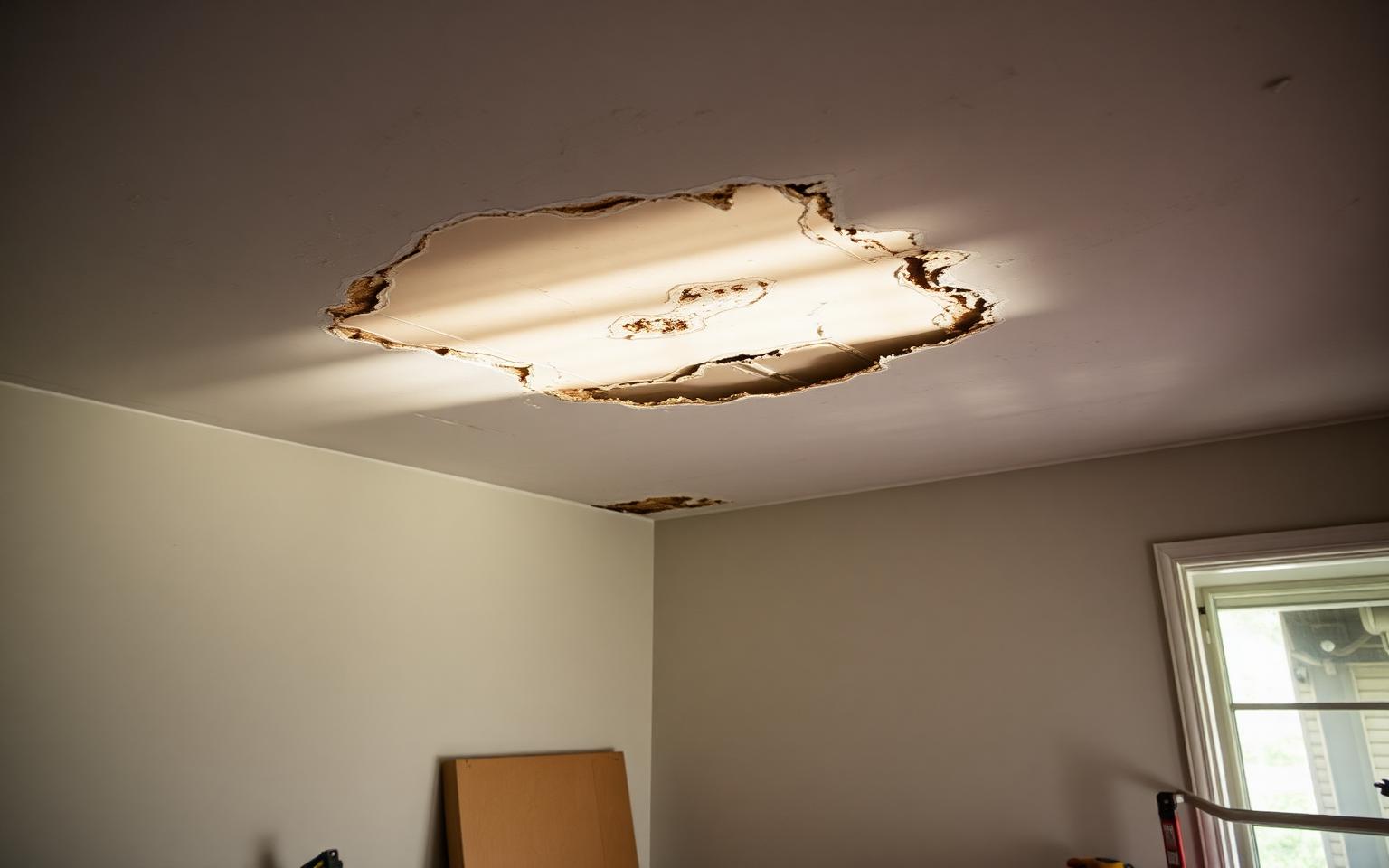
A compromised roof leads to interior mold and structural rot. When estimating a roof, do not just look at the shingles; look at the decking and the number of layers currently on the house. Most municipalities allow a maximum of two layers of shingles before a full 'tear-off' is required.
Projecting costs for a standard 30-year architectural shingle roof usually falls between $4.50 and $7.00 per square foot. For a typical 2,000 sq. ft. roof, expect to pay $9,000 to $14,000. If the plywood decking is rotted, add $100 per sheet for replacement.
Windows and Siding
Vinyl window replacements are a standard value-add. Budget approximately $450–$700 per window including labor. For siding, vinyl is the budget-friendly choice at $6–$9 per square foot, while James Hardie (fiber cement) can double that cost but significantly increases the After Repair Value (ARV) in higher-end neighborhoods.
The Money Rooms: Kitchens and Bathrooms
In the world of non-owner-occupied investing, kitchens and baths sell the property or attract the highest-quality tenants. However, these are also the easiest areas to overspend. You must align your finish level with the neighborhood comparables.
- Mid-Range Kitchen: Shaker-style cabinets, quartz or granite countertops, stainless steel appliance package, and a subway tile backsplash. Budget: $15,000–$25,000.
- High-End Kitchen: Professional-grade appliances, custom cabinetry, large island with waterfall edges, and updated lighting. Budget: $40,000+.
- Full Bathroom Gut: New vanity, toilet, and tile shower/tub surround. Budget: $6,000–$10,000 per bathroom.
Floor Coverings and Interior Finishes
Modern investors are moving away from carpet in favor of Luxury Vinyl Plank (LVP). It is durable, waterproof, and visually appealing to both buyers and renters. For a standard renovation, budget $4.00 to $6.50 per square foot for material and professional installation.
Interior painting is one of the highest ROI activities. A professional whole-house paint job (walls, ceilings, and trim) for a 1,500 sq. ft. home will typically cost $4,000 to $6,000. Do not skip the trim and doors; yellowed trim next to fresh grey or white walls makes the whole project look dated.
Contingency and The 15% Rule
No matter how experienced you are, there will be surprises. Unseen mold, carpenter ants, or outdated plumbing behind a wall can derail a budget. For experienced investors, a 10% contingency is the minimum. If it is your first project or a heavy structural gut, we recommend a 15% to 20% contingency buffer.
Private lenders like Simple Solution Lending look at your budget to ensure the project is feasible. A budget without a contingency line item is a red flag in underwriting, suggesting the investor may run out of capital before the project reaches completion.
Real-World Example
Consider a 1,400 sq. ft. non-owner-occupied investment property purchased for $150,000. The goal is an ARV of $275,000. The renovation included: A new roof ($9,500), upgraded 200-amp electrical ($3,500), a full kitchen remodel with quartz counters ($18,000), two full bathroom updates ($14,000 total), LVP flooring throughout ($8,400), and interior/exterior paint ($7,500).
Total hard costs reached $60,900. After adding a 10% contingency of $6,090, the total rehab budget was $66,990. Including holding costs of $12,000 over six months, the total investment was approximately $229,000, leaving a projected profit margin of $46,000 before closing costs. This budget provided enough meat on the bone to satisfy both the investor and the bridge lender.
For illustration only — subject to underwriting.
Common Mistakes To Avoid
- 1.Over-improving for the area: Putting $40k into a kitchen where the neighborhood ceiling doesn't support the cost.
- 2.Ignoring the 'Unseen': Not budgeting for sewer line scopes or electrical panel upgrades.
- 3.Inaccurate Labor Estimates: Relying on generic online calculators instead of local contractor quotes.
- 4.Forgetting Soft Costs: Omitting permit fees, dumpsters, and utility costs during construction.
- 5.No Contingency: Operating on a razor-thin margin with zero room for error.
Advanced Tips
- Lock in material pricing with 'Pro' accounts at national suppliers to avoid mid-project inflation.
- Standardize your finishes: Use the same paint colors, flooring, and hardware across all your projects to simplify ordering and repairs.
- Always get a sewer scope during the inspection period—a $200 test can save a $10,000 surprise.
- Review the 'draw schedule' with your lender before starting so you know exactly when funds will be released.
How Simple Solution Lending Helps
At Simple Solution Lending, we specialize in financing for non-owner-occupied investment properties only. We understand that in the fix-and-flip and BRRRR world, your rehab budget is the roadmap to your success. Our bridge loans and fix-and-flip lines of credit are designed to fund up to 100% of your renovation costs, provided the numbers make sense against the After Repair Value (ARV).
Because we focus exclusively on professional investors, our underwriting team speaks your language. We look for realistic, detailed budgets that account for modern material costs and labor. Whether you are tackling a light cosmetic refresh or a full-blown structural renovation, our funding keeps your project moving without the red tape of traditional banks. Apply Now to secure your pre-qualification and move confidently on your next acquisition.
Conclusion
Accurate rehab estimation is a skill honed through repetition and meticulous data tracking. By breaking the property down into its core components—mechanicals, exterior, and interior finishes—you can build a budget that protects your capital and ensures a successful exit.
Remember to stay disciplined. Stick to the comparables, build in a healthy contingency, and partner with a lender that understands the nuances of the investment market. With a solid budget in hand, you turn a speculative gamble into a calculated business move.
Frequently Asked Questions
Disclaimer. Loan programs, rates, terms, leverage, and approvals are subject to underwriting, borrower qualification, property type, state availability, and program guidelines. This is not a commitment to lend.