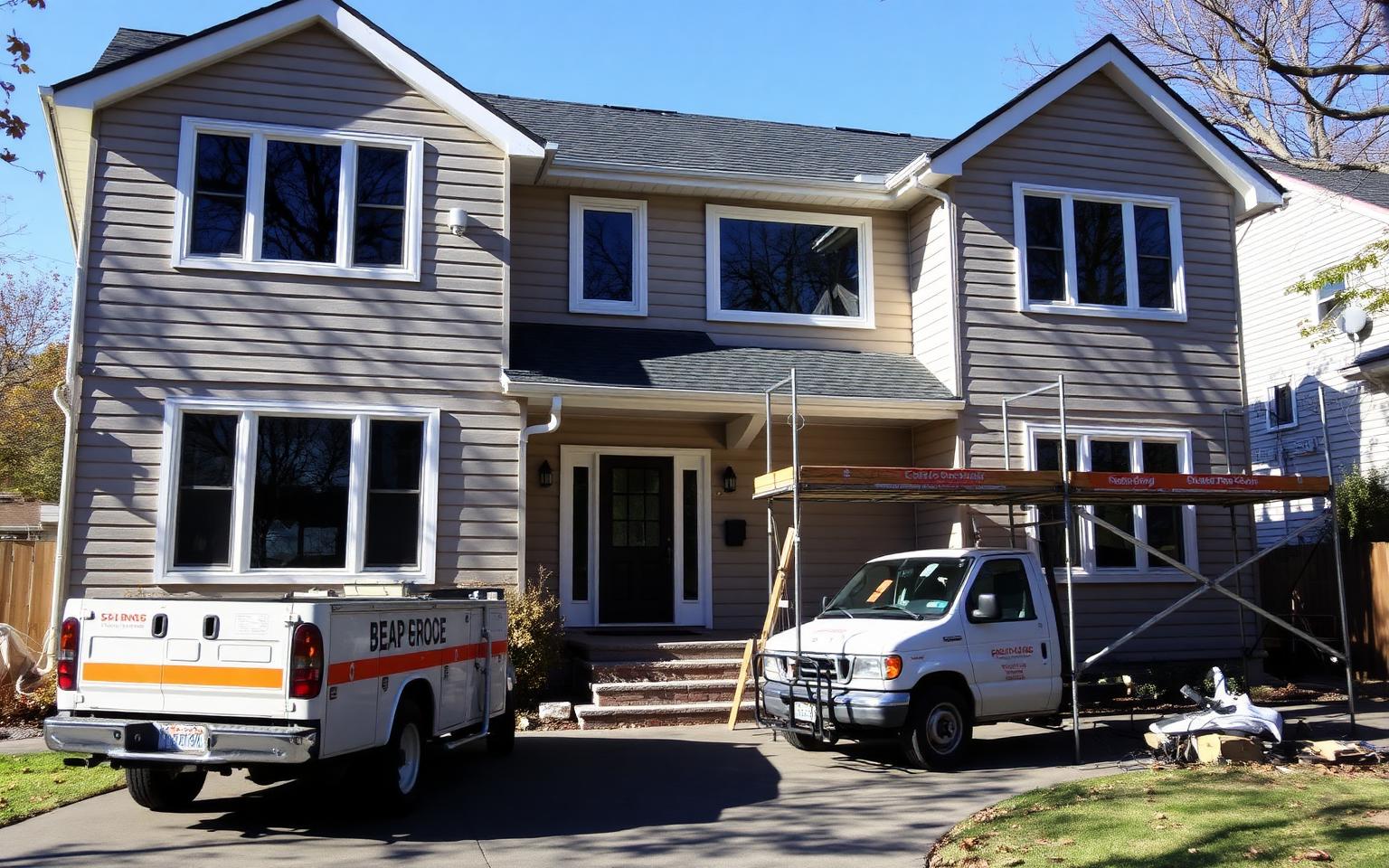
DSCR Loans: The Investor's Secret Weapon
Learn how DSCR loans allow real estate investors to qualify for financing using property income instead of personal tax returns. Expert guide for non-owner-occupied properties.
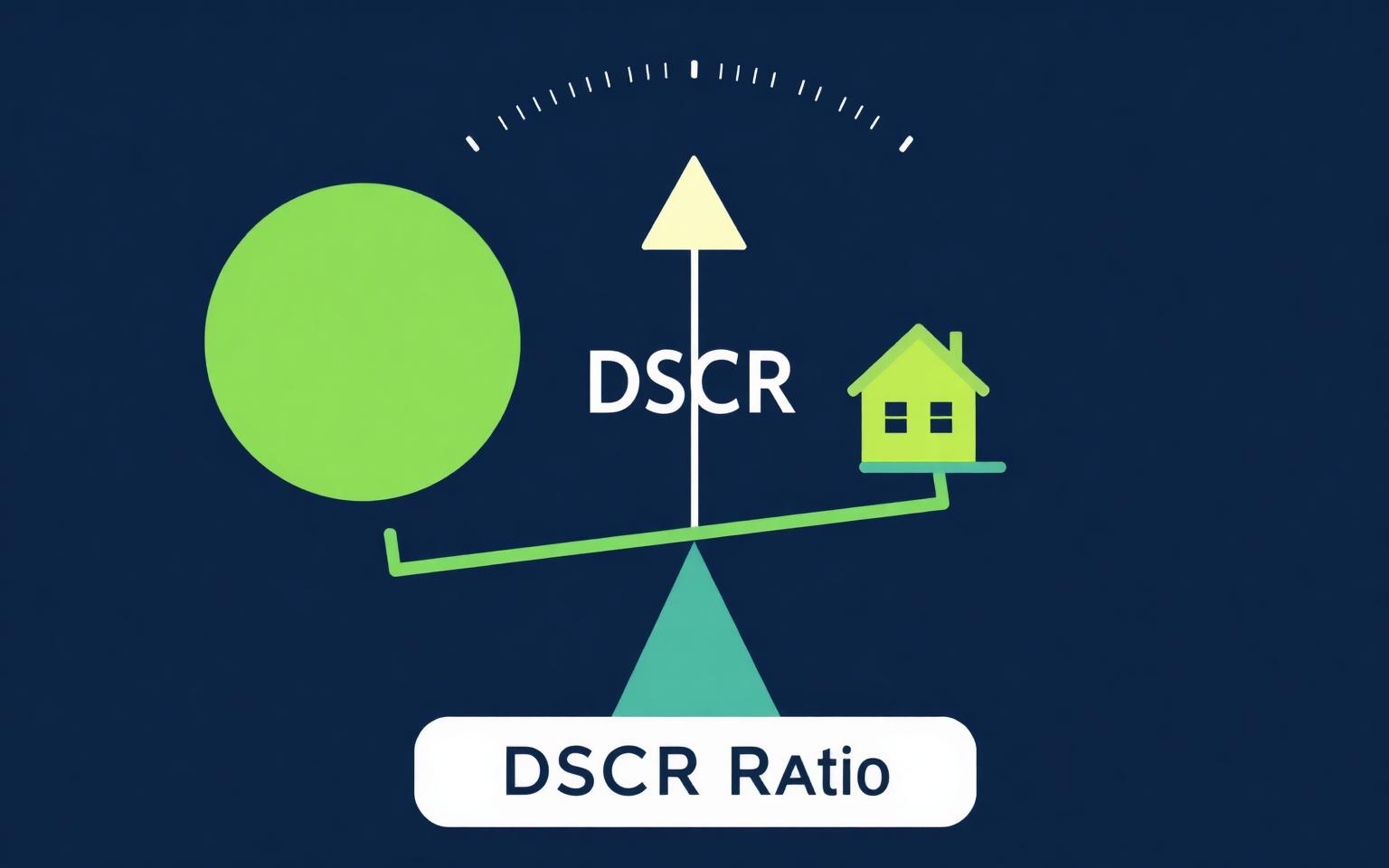
Table of Contents
For serious real estate investors, personal income is often a poor metric of creditworthiness. Traditional banks focus on W-2 income and debt-to-income (DTI) ratios, which often penalizes self-employed investors or those with significant write-offs. This conventional approach creates a bottleneck that prevents investors from scaling their portfolios once they reach a certain number of properties.
Debt Service Coverage Ratio (DSCR) loans represent a fundamental shift in how investment property is financed. Instead of underwriting the borrower's personal income, lenders underwrite the asset's ability to generate cash flow. This article serves as a comprehensive guide for US-based investors looking to leverage DSCR loans to acquire or refinance non-owner-occupied rental properties.
You will learn the mechanics of the DSCR calculation, the qualification requirements that bypass tax returns, and the specific scenarios where this financing model outperforms traditional mortgages. By the end of this guide, you will understand how to use DSCR as a tactical tool for aggressive portfolio expansion.
What is a DSCR Loan?
A DSCR loan is a type of Non-QM (Non-Qualified Mortgage) loan designed specifically for real estate investors. The primary qualification metric is the Debt Service Coverage Ratio, which compares the property's gross rental income to its annual debt obligations. Because the loan is based on asset performance, lenders do not require tax returns, W-2s, or proof of personal income.
DSCR loans are strictly for non-owner-occupied investment properties. These cannot be used to purchase a primary residence or a second home for personal use. They are business-purpose loans intended for long-term rental hold strategies.
How the DSCR Calculation Works
The calculation is straightforward but critical for securing the best interest rates. Lenders look for the ratio of the Monthly Gross Rent divided by the Monthly PITIA (Principal, Interest, Taxes, Insurance, and Association dues).
The Standard Formula
DSCR = Gross Monthly Rental Income / Monthly PITIA. For example, if a property generates $2,500 in monthly rent and the total mortgage payment (including taxes and insurance) is $2,000, the DSCR is 1.25.
- 1.25 or Higher: Considered strong cash flow; yields the most competitive rates.
- 1.00 to 1.24: The property 'breaks even' on paper. Readily fundable but may require a higher credit score.
- Below 1.00: Negative cash flow. Some lenders will still fund these (often called 'no-ratio' loans) if the borrower has high liquidity or the property is in a high-appreciation market, though rates will be higher.
Why Investors Choose DSCR Over Traditional Loans
Conventional financing (Fannie Mae/Freddie Mac) has strict limits, typically capping an investor at 10 financed properties. Furthermore, the DTI (Debt-to-Income) requirements often count the full mortgage debt against the borrower while only crediting a percentage of rental income, making it difficult to qualify for multiple loans simultaneously.
Key Advantages
- No Personal Income Verification: No need to provide years of tax returns or pay stubs.
- Faster Closing Times: Because underwriting focuses on the property and an appraisal (with a rent schedule), the process is significantly faster than traditional banking.
- LLC Vesting: DSCR loans allow and often encourage investors to close in the name of an LLC, providing liability protection that conventional loans typically forbid at the closing table.
- Infinite Scalability: Since your personal DTI is not a factor, you can theoretically hold an unlimited number of DSCR loans as long as each property meets the ratio requirements.
Qualification Requirements for DSCR Financing
While the income verification is waived, DSCR lenders still maintain strict standards to mitigate risk. The focus shifts toward the borrower's credit reputation and the property's market value.
- Credit Score: Most programs require a minimum mid-score of 620, though the best terms are reserved for those above 720.
- Loan-to-Value (LTV): Typically, DSCR loans require a 20% to 25% down payment (75-80% LTV). Cash-out refinances are usually capped at 70-75% LTV.
- Property Type: Eligible properties include single-family residences, 2-4 unit multi-family homes, condos, and townhomes. All must be non-owner occupied.
- Experience: Many lenders offer better rates to 'experienced' investors (those who have owned at least one investment property in the last 3 years), but first-time investors can still qualify.
- Cash Reserves: Expect to show 3 to 6 months of PITIA in liquid reserves to cover potential vacancies.
The Role of the Appraisal and 1007 Rent Schedule
The most critical document in a DSCR loan file is the appraisal, specifically the Comparable Rent Schedule (Form 1007 for single-family or Form 1025 for multi-family). The appraiser determines the 'market rent' for the property based on similar nearby rentals.
Lenders will generally use the *lesser* of the actual lease agreement or the appraiser's market rent estimate to calculate the DSCR. If a property is currently vacant, the lender will rely solely on the appraiser's estimate to determine if the property qualifies for the loan.
Ideal Scenarios for DSCR Loans
DSCR loans are not the cheapest money on the market—they typically carry interest rates 1% to 2% higher than conventional bank loans. However, the 'cost of capital' is often outweighed by the 'opportunity cost' of not being able to close a deal.
Standard DSCR Scenarios
- The Self-Employed Professional: An investor who has high actual income but significant tax deductions that make their 'on-paper' income look low.
- The BRRRR Method Exit: Using a DSCR loan as the long-term 'Refinance' step in 'Buy, Rehab, Rent, Refinance, Repeat.'
- The Rapid Scaler: An investor who has reached the 10-property limit for conventional loans and wants to keep buying.
- Foreign Nationals: Non-US citizens who have assets but no US credit history or W-2 income often find DSCR loans the most accessible path to US real estate investing.
Real-World Example
An investor owns a fourplex in a growing secondary market. They purchased it for $400,000 using a bridge loan and invested $50,000 in renovations. The property now appraises for $600,000 and generates $6,400 in total monthly rent.
Under a DSCR program at 75% LTV, the investor can secure a loan for $450,000. The new monthly PITIA (at a 7.5% interest rate plus taxes and insurance) comes to approximately $4,100. The DSCR is calculated as $6,400 / $4,100 = 1.56. Because this ratio is well above 1.25, the investor secures the lowest possible rate for that product. After paying off the $400,000 bridge loan and closing costs, the investor walks away with nearly $40,000 in tax-free cash to use as a down payment on their next investment property, all without providing a single tax return.
For illustration only — subject to underwriting.
Common Mistakes To Avoid
- 1.Underestimating the impact of HOA fees on the DSCR ratio.
- 2.Failing to verify if the property is in a 'declining market' which may lower the allowed LTV.
- 3.Assuming short-term rental (Airbnb) income will be treated the same as long-term lease income by all lenders.
- 4.Not checking for prepayment penalties, which are common in DSCR loans to keep rates lower.
- 5.Applying for a DSCR loan for a property they intend to live in for part of the year.
Advanced Tips
- Use an Interest-Only (IO) period to lower the monthly payment and artificially boost your DSCR for qualification purposes.
- Verify if a potential lender allows for 'AirDNA' data to justify income on short-term rentals rather than requiring a 12-month history.
- Improve your credit score above 760 before applying to unlock the significant 'rate breaks' often found in DSCR pricing tiers.
- Structure your purchase in an LLC from day one to ensure a smoother underwriting process and long-term asset protection.
- Consider a 5-year prepayment penalty to secure a lower interest rate if you plan to hold the asset long-term.
How Simple Solution Lending Helps
Simple Solution Lending specializes in providing DSCR financing for US-based real estate investors who need to move quickly and avoid the red tape of traditional banks. We understand that your tax returns don't tell the whole story of your success, which is why we focus on the potential of the property itself. Our DSCR programs are designed for long-term rental holds, providing a reliable exit strategy for investors transitioning out of short-term bridge or fix-and-flip loans.
Everything we fund is strictly non-owner-occupied. Whether you are closing your first rental or your fiftieth, we provide the capital needed for single-family, multi-family, and new construction projects. Our streamlined process allows for faster closings and more flexibility on LLC vesting than conventional lenders. To see if your property qualifies, you can reach out for a pre-qualification quote today and keep your portfolio growing without the burden of DTI constraints.
Conclusion
The DSCR loan is more than just a mortgage; it is a strategic tool for capital efficiency. By decoupling your personal income from your investment capacity, you gain the ability to scale a portfolio based on the merit of your acquisitions. While the interest rates may be slightly higher than bank financing, the speed, flexibility, and lack of personal income reporting make it the gold standard for professional investors.
As you evaluate your next non-owner-occupied acquisition, run the numbers through the DSCR formula. If the property cash flows, the financing is likely within reach. Focus on finding high-performing assets, and let the DSCR model handle the leverage.
Frequently Asked Questions
Disclaimer. Loan programs, rates, terms, leverage, and approvals are subject to underwriting, borrower qualification, property type, state availability, and program guidelines. This is not a commitment to lend.